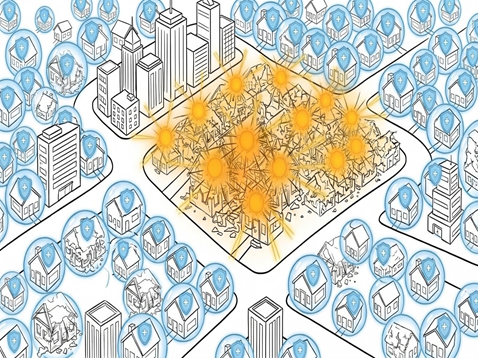
Our cells are like a house
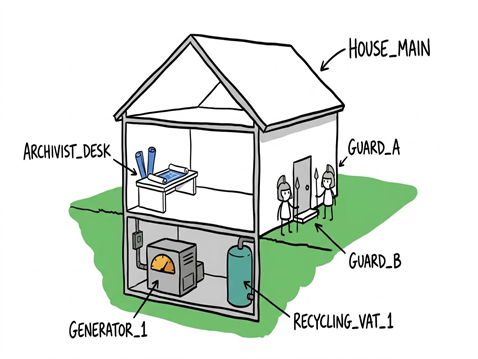
In this picture, each cell is a house on a street. The body keeps many houses running at once, with crews that check parcels, clear waste, and keep the lights steady.
In simple words
An adult lightweight picture of what our models explore: cells as houses, patterns on a street, and the body as the foreman who does the building.
Educational computer modeling. For computational modeling and observational research only.
In this picture, each cell is a house on a street. The body keeps many houses running at once, with crews that check parcels, clear waste, and keep the lights steady.
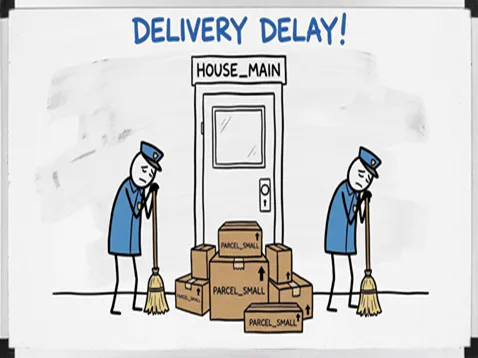
Sometimes a house starts showing problems in the model: tired guards, unstable power, waste that builds up, or parcels that are not checked well. The story stays a map of patterns, not a diagnosis.
Many blunt approaches hit every house the same. The model asks a narrower question: can we tell a calm house from a messy one by looking at the pattern on the street?
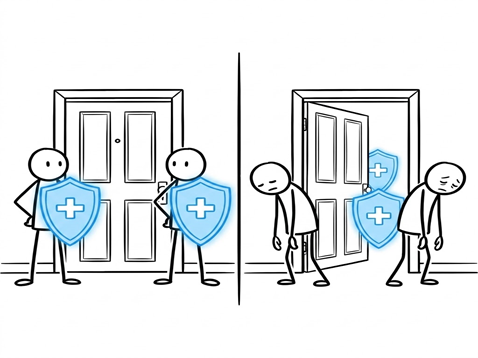
In the story, alert guards at calm houses pick up molecular shields. Tired or missing guards at messy houses miss them. That difference is what the model is trying to map.
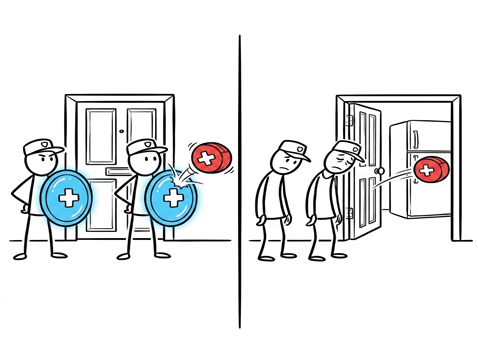
The model pairs a payload idea with those shields. Where shields are held, the payload is pushed away in the picture. Where shields are missing, the door looks open. This is a modelling sketch, not a recipe.
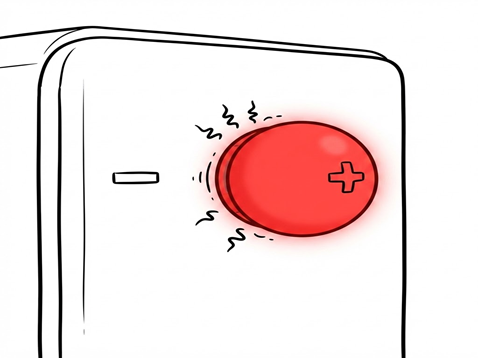
Once inside a troubled house in the story, the payload finds a place to stick, like a fridge magnet. If it wandered into a calm house, the model pictures the crew having time to send it back out.
After a waiting window in the model, a small trigger idea meets the payload. The story shows a fast reaction lighting the room, like a tiny sun turning on. Timing here is simulated, not instructed.
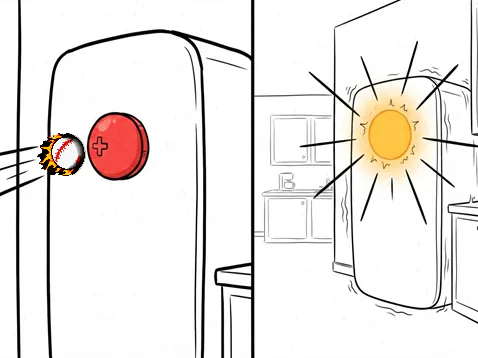
The body is the foreman. In the picture, calm houses stay behind their shields while messy houses give way. Then the body’s own cleanup crew clears the space so rebuilding can begin. We map that traffic. We do not run the crew.
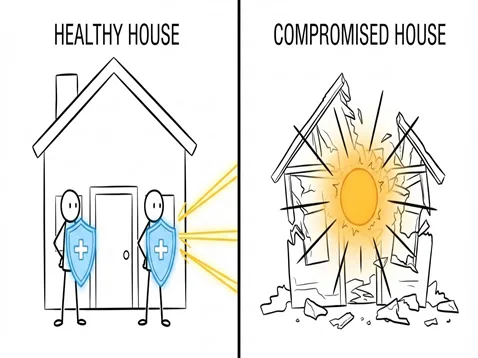
When the story works, the street looks clearer: the model has pointed at a pattern at scale. That is still a hypothesis picture for researchers, not a claim about a product or a personal plan.